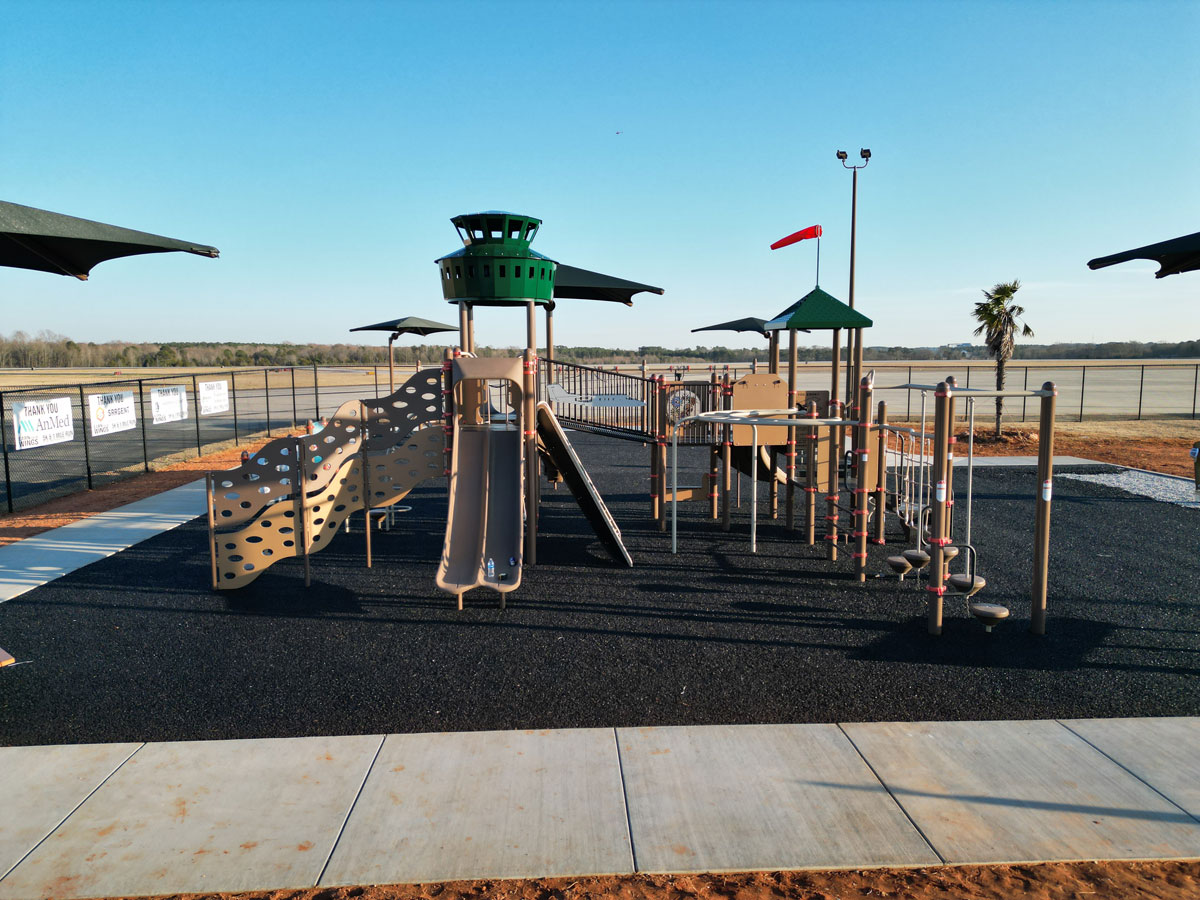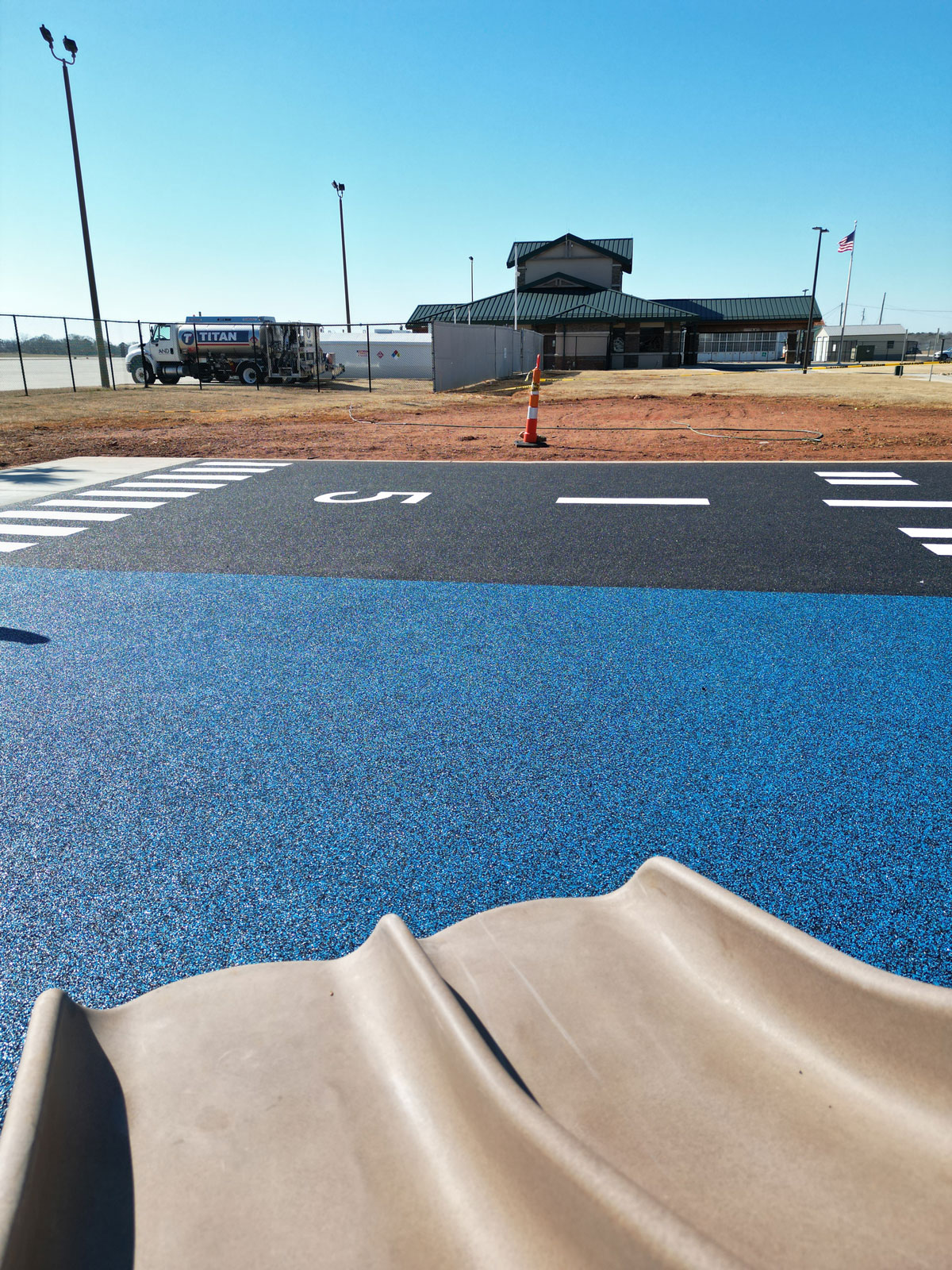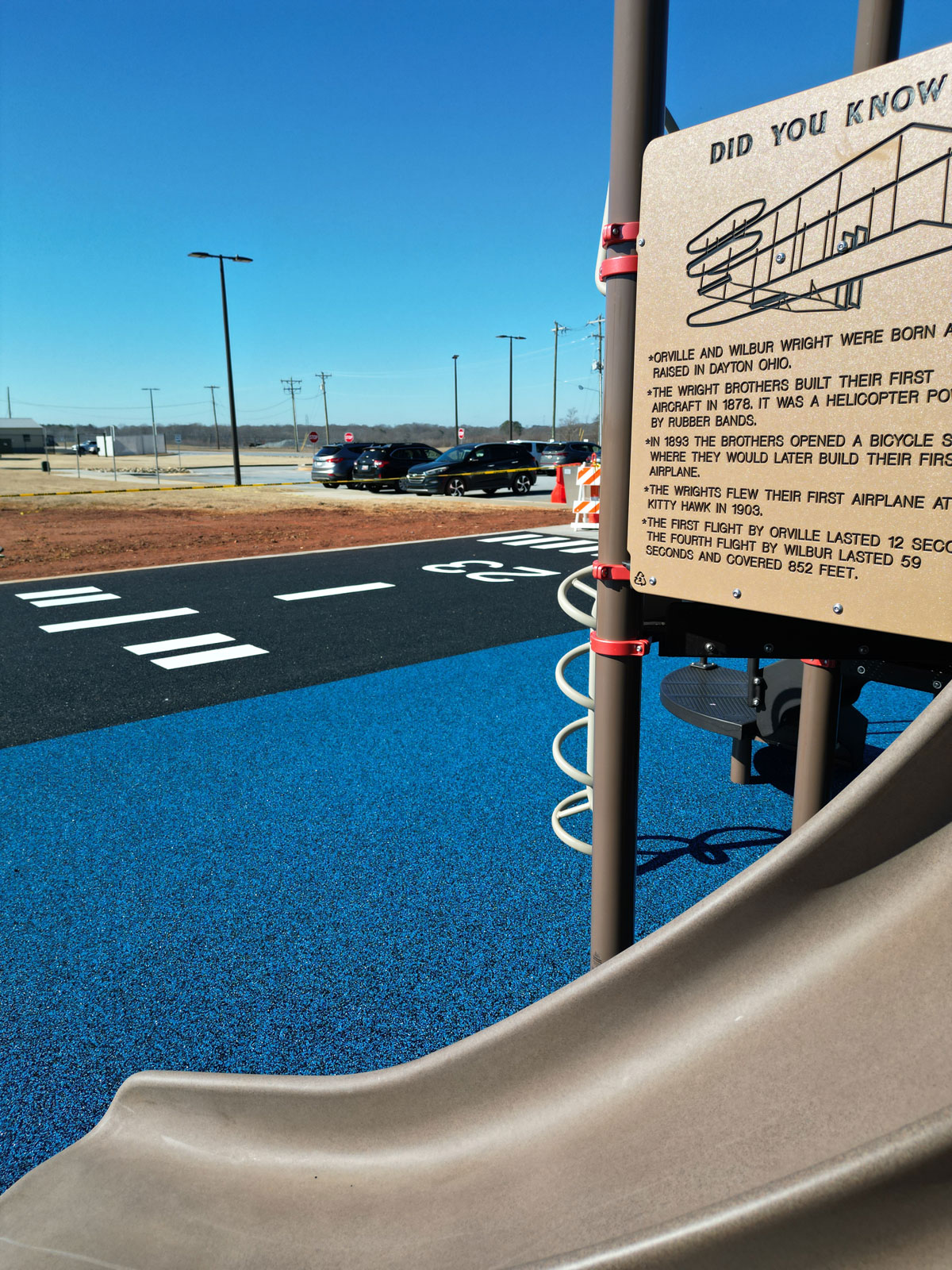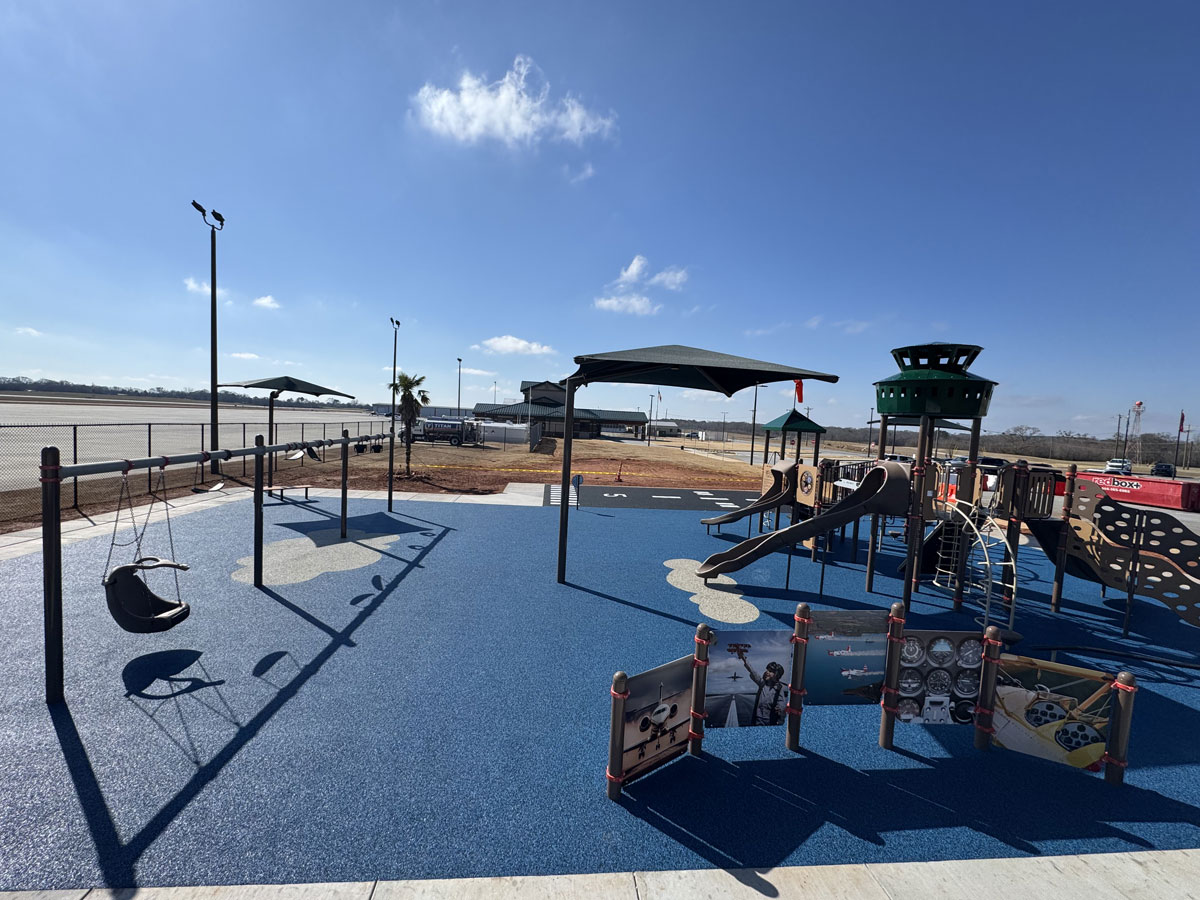
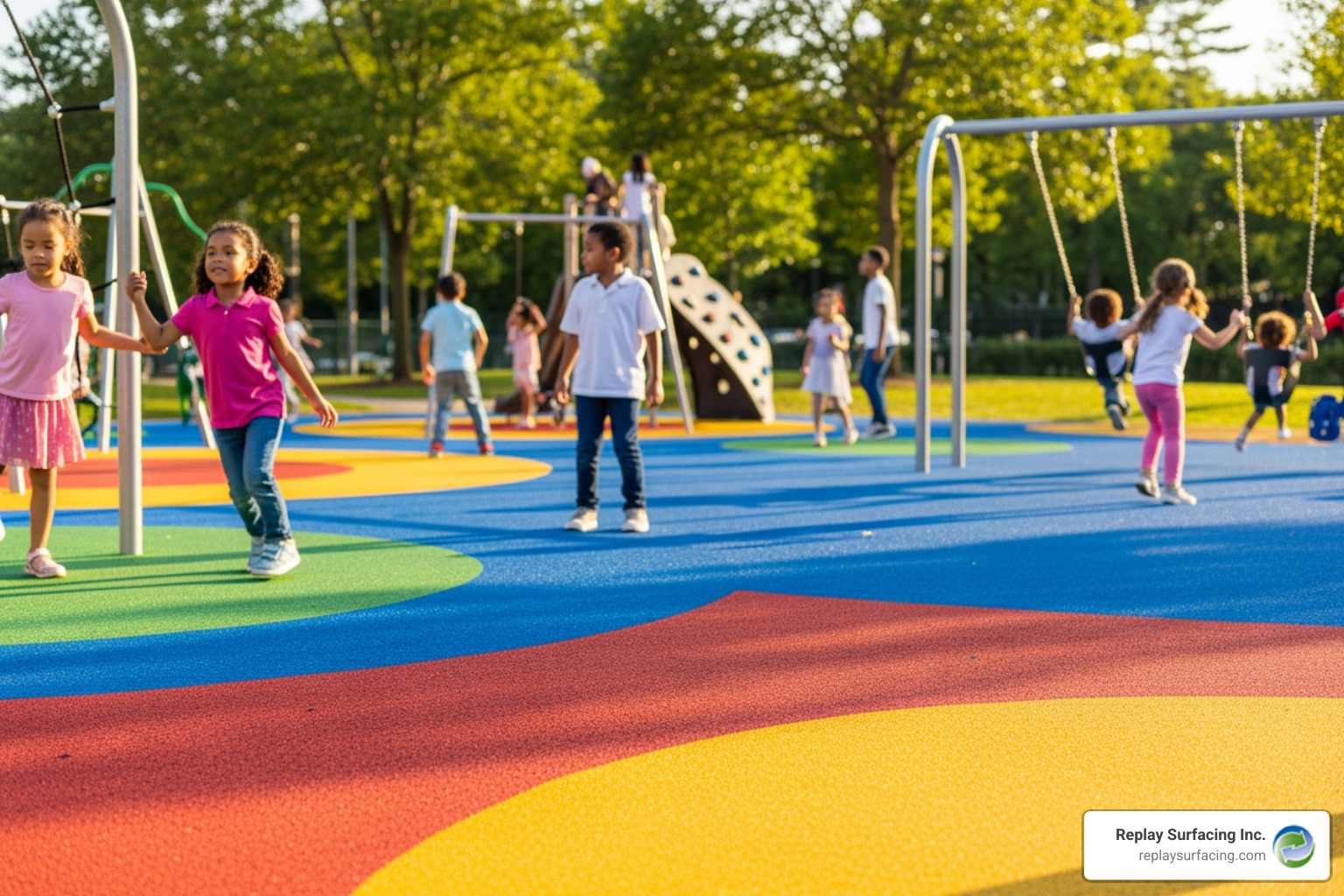
Why Rubber Playground Mats Matter for Safe Play Spaces
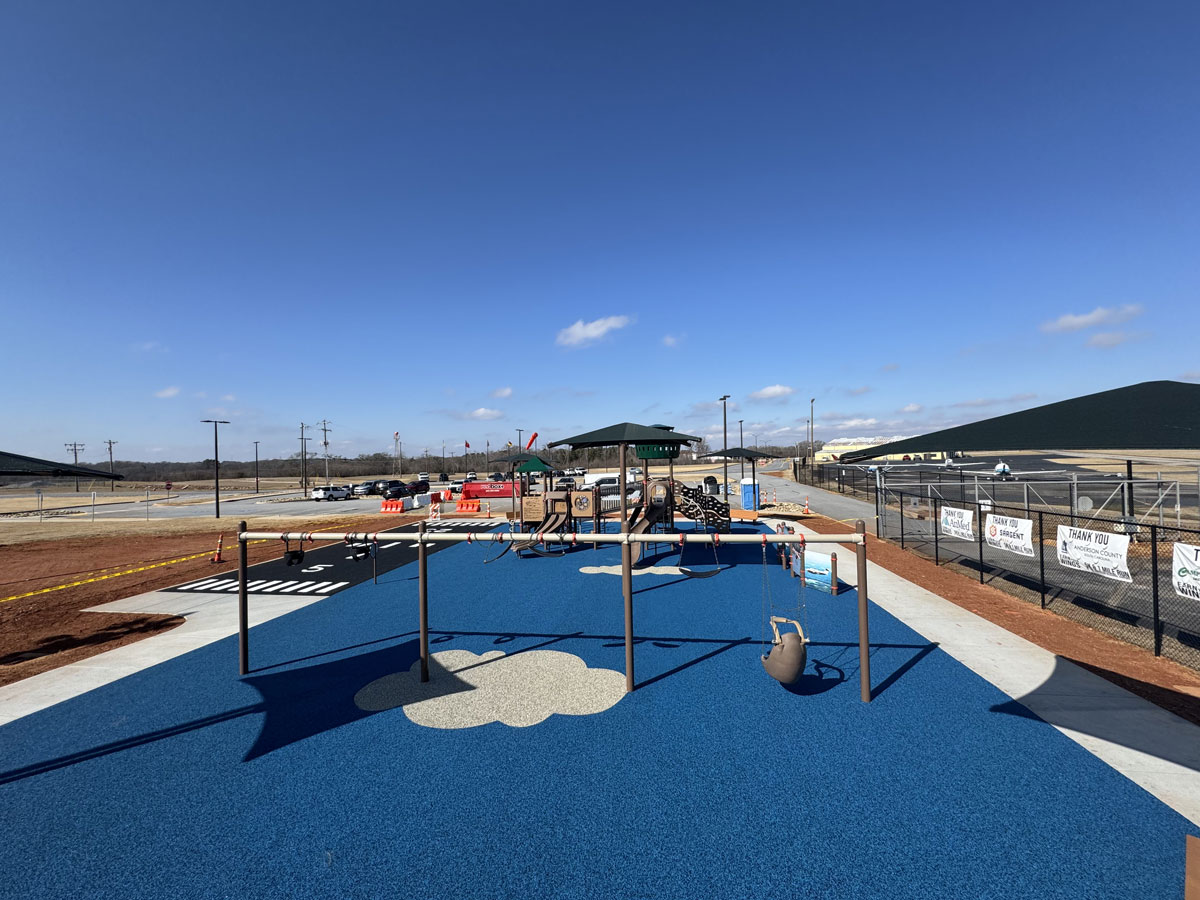
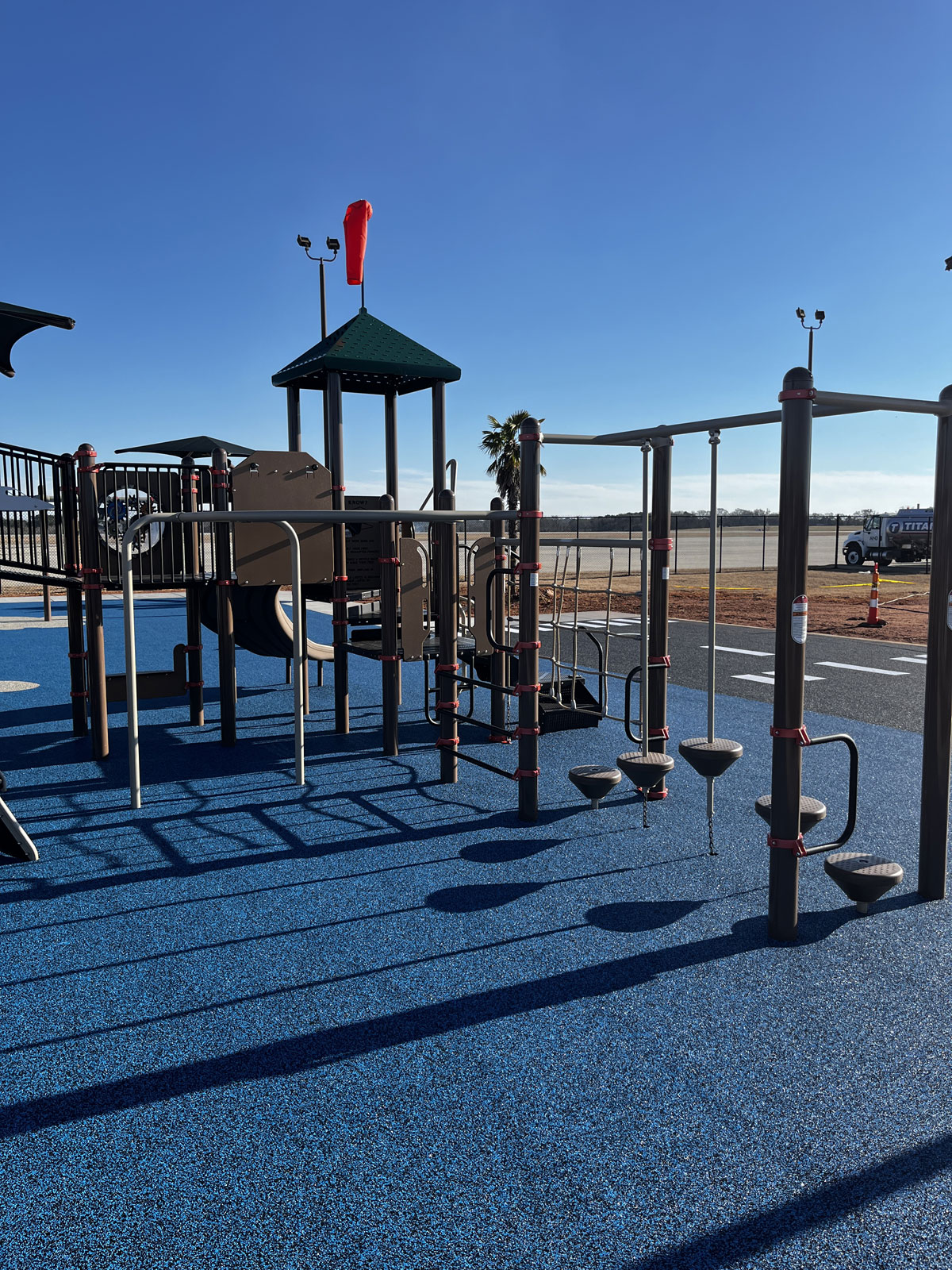
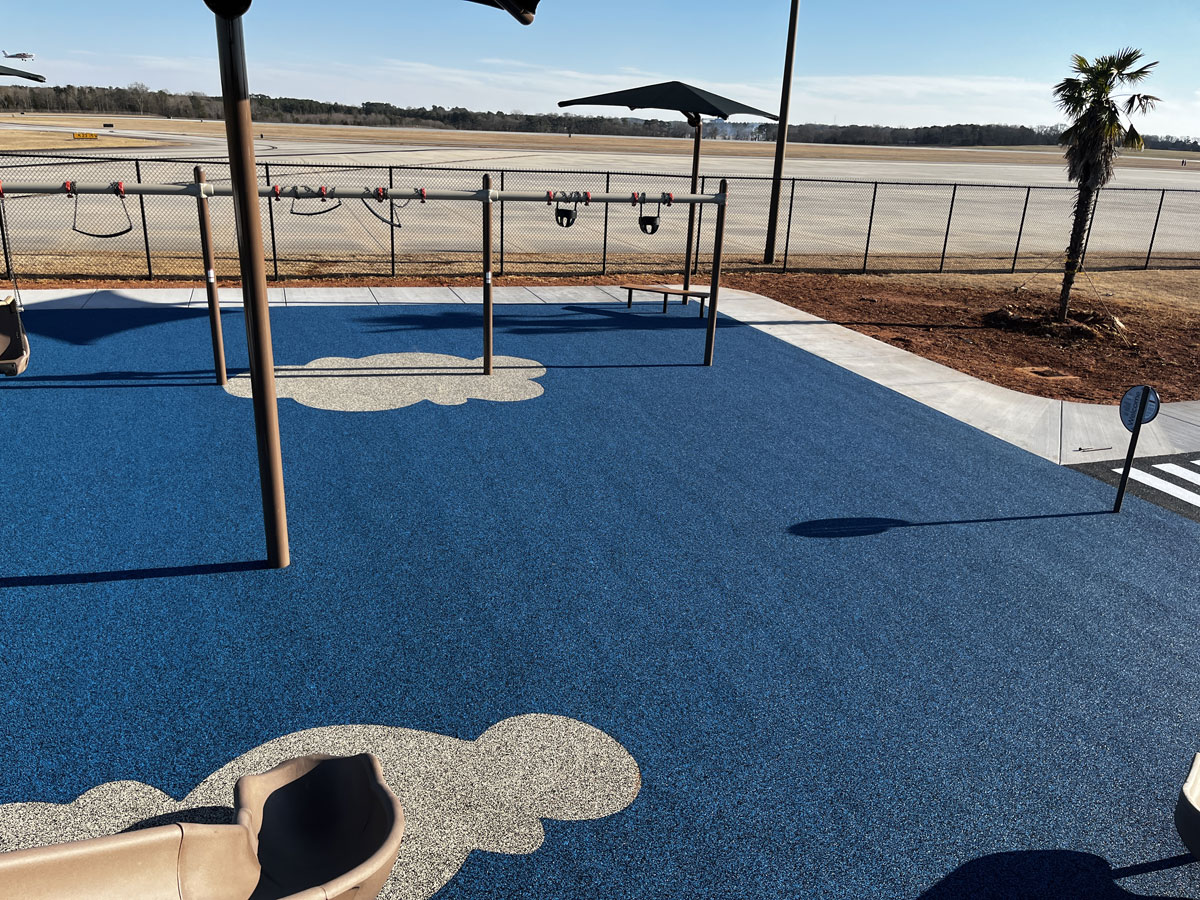
Playground mats rubber are thick, shock-absorbing surfaces designed to protect children from fall injuries in high-traffic play areas. Here’s what you need to know:
Key Benefits:
- Safety First: Meet ASTM F1292 standards for fall protection from 6-17 feet depending on thickness
- Built to Last: 15-year warranties with weather, mold, and mildew resistance
- Eco-Friendly: Made from 30-100% recycled rubber tires
- Easy Care: Simple cleaning with mild detergent and water
- ADA Compliant: Wheelchair accessible with proper installation
Common Applications:
- Under swings and slides
- High-traffic playground zones
- Pool decks and splash pads
- Rooftop play areas
- Indoor recreation spaces
Rubber playground mats come in two main forms: wear mats for spot protection in specific areas like slide exits and swing bays, and interlocking tiles that cover entire play surfaces. Most products are available in 1-inch to 4.25-inch thicknesses, with thicker options providing greater fall height protection.
The biggest advantage over traditional materials like wood chips or sand? Rubber mats stay in place. They don’t scatter across the playground, require constant replenishment, or hide sharp objects. They’re also slip-resistant when wet and drain water quickly through seams or drainage ports.
Modern rubber playground mats are manufactured in the USA from American-sourced materials, ensuring they’re free from toxins, heavy metals, and harmful chemicals like BPA. This makes them safe for children with chemical sensitivities while supporting environmental sustainability by recycling millions of pounds of scrap tires annually.
I’m Landon Olson, operator of Replay Surfacing, where we specialize in changing recycled tires into high-quality playground mats rubber and other sustainable surfacing solutions. With my background in mechanical engineering and experience across manufacturing and safety surfacing industries, I’ve seen how the right rubber matting can dramatically improve playground safety while reducing long-term maintenance costs.
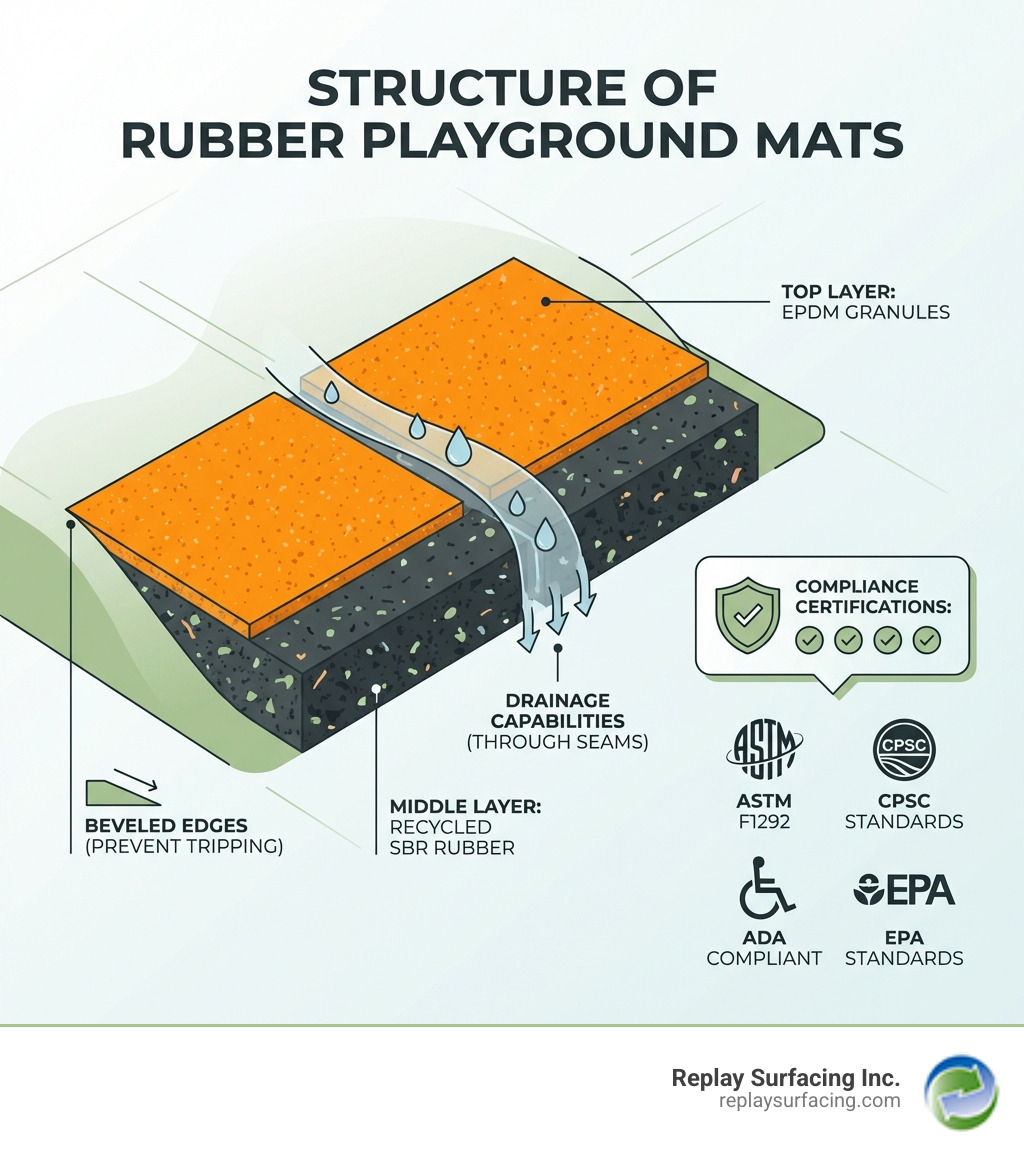
Quick playground mats rubber definitions:
Maximizing Safety with Playground Mats Rubber
When we talk about playground safety, we aren’t just talking about keeping kids from getting a scraped knee. We are talking about critical fall protection. In busy cities like Charlotte, NC and Nashville, TN, where community parks are the heart of the neighborhood, ensuring every child has a soft landing is our top priority. Playground mats rubber are engineered specifically to absorb the kinetic energy of a fall, significantly reducing the risk of serious injury.
The gold standard in our industry is the American Standard Testing Methods Shock-absorbent.American Standard Testing Methods(ASTM), the institution that sets industry safety standards, ensures the tiles we use are safe for falls from 6 feet (for 2.5-inch rubber tiles) up to 8 feet (for 4.25-inch tiles).ADA compliant. This means they’re wheelchair-accessible, and safe for k… certification. Specifically, ASTM F1292 measures the “Critical Fall Height”—the maximum height from which a child can fall onto the surface without sustaining a life-threatening head injury. By utilizing high-quality rubber, we can provide protection for fall heights ranging up to 17 feet, depending on the thickness of the system installed.
Beyond fall protection, slip resistance is a major safety factor. Whether it’s a humid afternoon in Lake Charles, Louisiana, or a rainy morning in Beaverton, Oregon, rubber surfaces maintain a high coefficient of friction. This means even when the mats are wet, they provide a stable, non-slip surface for running, jumping, and climbing. For more details on how these materials protect our little ones, you can Enhance Safety with Rubber Playground Mats.
Strategic Placement of Playground Mats Rubber
Not every square inch of a playground needs the same level of protection, but certain “hot zones” are non-negotiable. These are the high-traffic areas where children are most likely to land hard or where the ground cover is most likely to be kicked away.
- Swing Bays: Have you ever noticed the deep pits that form under swings in playgrounds with wood chips? That’s called displacement. Installing heavy-duty playground mats rubber (often called wear mats) in these bays prevents those pits from forming, ensuring that the critical safety depth is always maintained.
- Slide Exits: The end of a slide is a high-impact zone. A rectangular slide mat provides a consistent, cushioned landing area that doesn’t wash away in a storm.
- Spinners and Merry-Go-Rounds: Areas where children push off the ground frequently benefit from circular mats that protect the underlying surface from friction and wear.
If you are looking to upgrade specific zones in your local park or backyard, check out our Playground Mats for Sale to find the right fit for your equipment.
Consistent Protection with Rubber Playground Mats
One of the biggest headaches for park maintenance crews in places like Raleigh and Sanford, NC, is the constant need to rake and level loose-fill surfaces. When you use playground mats rubber, you eliminate the “hidden hazards” often found in mulch, such as buried glass or insects.
Because these mats are unitary—meaning they stay in one piece—they offer consistent protection across the entire play zone. There are no thin spots where a child might hit the hard subsurface. This reliability makes rubber the Best Playground Ground Cover for schools and municipalities that want to reduce liability and maintenance hours simultaneously.
Durability and Performance Standards
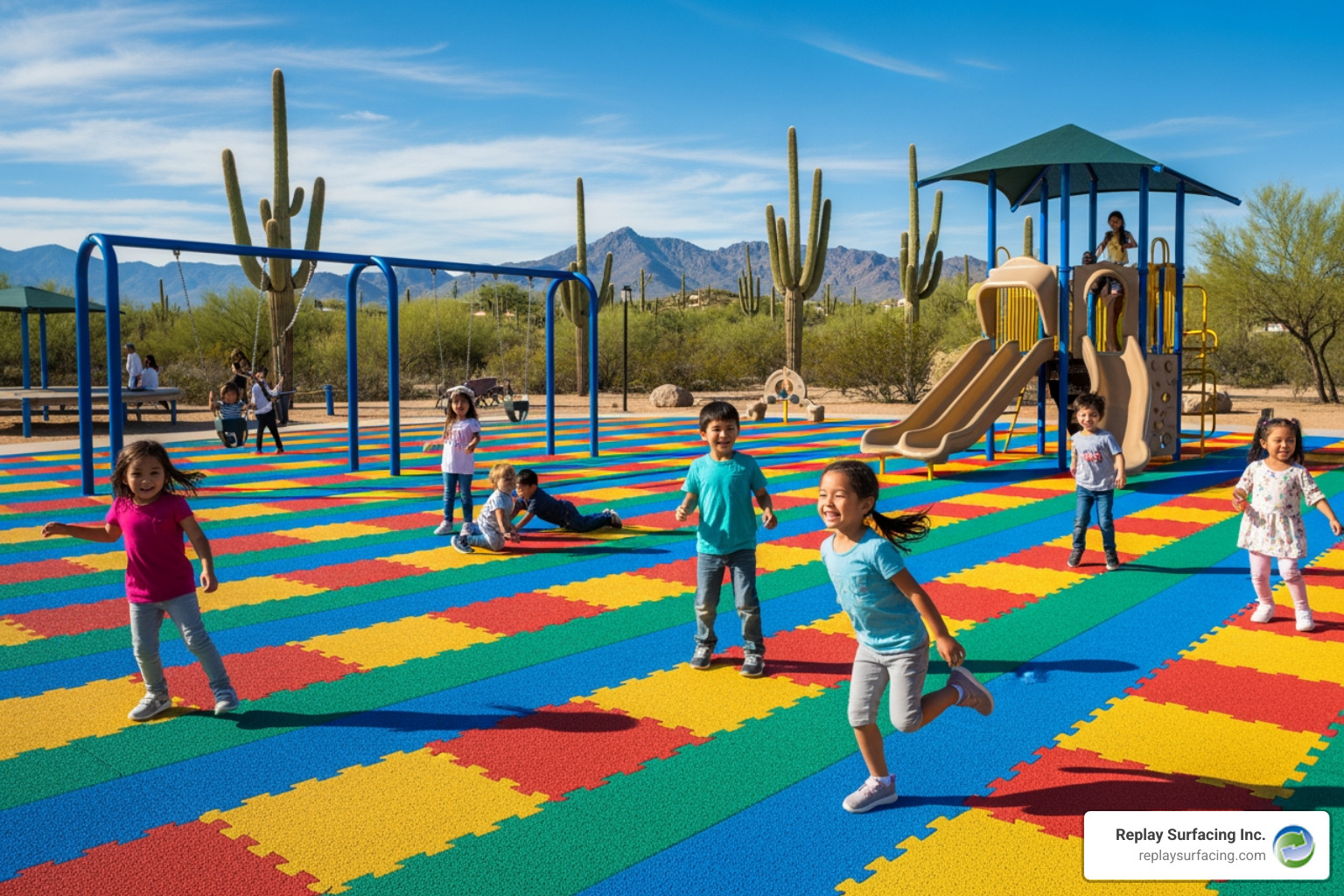
At Replay Surfacing, we don’t just make mats; we transform environmental hazards (old tires) into long-lasting infrastructure. Our playground mats rubber are designed to withstand the brutal sun of Tucson, AZ, and the freezing winters of Connecticut without cracking or crumbling.
The secret lies in the material composition. Most of our high-performance mats feature a dual-layer system:
- Base Layer: Made from recycled SBR (Styrene-Butadiene Rubber) from tires, providing the bulk of the shock absorption.
- Top Layer: Often infused with EPDM (Ethylene Propylene Diene Monomer) granules. This layer provides vibrant color, UV protection, and extra resistance to wear and tear.
Our products typically come with a 15-year warranty against manufacturing defects. This durability is a result of high-pressure manufacturing processes that ensure the rubber stays supple yet strong. Unlike other surfaces that might harbor mold or mildew in damp climates like Columbia, SC, our rubber tiles are naturally resistant to these biological growth factors. You can learn more about the science behind our Recycled Rubber Playground Flooring and how it holds up over time.
Installation and Maintenance Guide
Installing playground mats rubber is often faster and simpler than pouring concrete or installing other unitary surfaces, but it does require a bit of “elbow grease” and attention to detail. Whether we are doing a professional install in a Nashville schoolyard or you are tackling a DIY project in your backyard in Indiana, the process follows these core steps:
- Subsurface Preparation: This is the most critical step. The mats need a flat, solid base. This can be compacted crushed stone, asphalt, or concrete. If you’re installing over dirt, it must be hard-packed and free of debris.
- Weed Barrier: We recommend using a weed fabric to prevent any persistent greenery from peeking through the seams.
- Layout and Interlocking: Many of our tiles use the QuadBlock interlocking system. This allows the tiles to snap together securely without the need for messy adhesives in many cases.
- Cutting to Fit: You can easily trim rubber tiles using a simple utility knife with a fresh blade. It might take a few passes, but it ensures a snug fit around playground posts and equipment.
For a deeper dive into the technical side, read our guide on Installing Playground Tiles.
Maintenance is remarkably low-stress. For daily cleaning, a simple sweep or vacuum (if indoors) does the trick. For deeper cleans, a mild detergent and a garden hose are all you need. We advise staying away from petroleum-based cleaners, as they can break down the rubber over time. If you’re feeling adventurous and want to handle the project yourself, our DIY Playground Flooring guide is a great resource.
Eco-Friendly Impact and ADA Compliance
One of the things we are most proud of at Replay Surfacing is our commitment to the planet. Every mat we produce keeps tires out of landfills in our service areas from Raleigh to Beaverton. By recycling these tires into playground mats rubber, we are creating a circular economy that benefits our communities. Our mats are typically made from 30% to 100% recycled content and are free from heavy metals, toxins, and BPA.
Safety and inclusion go hand-in-hand. A playground isn’t truly “safe” if it isn’t accessible to everyone. Traditional surfacing like sand or deep mulch can be impossible for wheelchairs or strollers to steer. Our rubber tiles meet ASTM F1951 standards for playground surface accessibility.
This means a child using a wheelchair can roll easily across the surface to join their friends at the play structure. We also offer beveled ADA ramps to ensure smooth transitions from the surrounding sidewalk onto the play area. For those looking to build an inclusive, “green” space, our Green Playground Mats Guide offers excellent insights into sustainable, accessible design.
Frequently Asked Questions
What is the difference between rubber playground mats and tiles?
While people often use the terms interchangeably, there is a functional difference. Playground mats rubber (or wear mats) are usually heavy, standalone pieces used for “spot protection” under swings or at slide exits. They are designed to be placed on top of or buried within other surfacing. Rubber tiles, on the other hand, are interlocking pieces designed to be installed as a complete, wall-to-wall flooring system. For a full breakdown, see our Interlocking Playground Mats Ultimate Guide.
How long do rubber playground mats typically last?
In most of our service areas, like Columbia, SC and Sanford, NC, you can expect a high-quality rubber surface to last at least 10 to 15 years. While the shock absorbency remains high, you might choose to swap out individual tiles after a decade if they show aesthetic wear in extremely high-use zones. Because they are modular, you don’t have to replace the whole floor—just the tiles that need it!
Are rubber playground mats safe for all weather conditions?
Yes! They are designed to handle the “freeze-thaw” cycles of Connecticut and the high heat of Arizona. Our mats feature drainage ports or porous designs that allow water to flow through and away, preventing puddles and ice patches. In high-heat areas like Tucson, we recommend choosing lighter colors (like tan or terra cotta) which reflect more sunlight and stay cooler under bare feet than solid black mats.
Conclusion
Creating an “Outdoor Oasis” for our children starts from the ground up. By choosing playground mats rubber, you are investing in a solution that is safe, durable, and environmentally responsible. Whether you are a city planner in Charlotte, a school administrator in Indiana, or a parent in Nashville, we are here to help you transform your play space into a world-class environment.
At Replay Surfacing, we take pride in every tire we recycle and every soft landing we provide. Ready to start your project? Explore More info about our playground solutions and let’s build something amazing together.