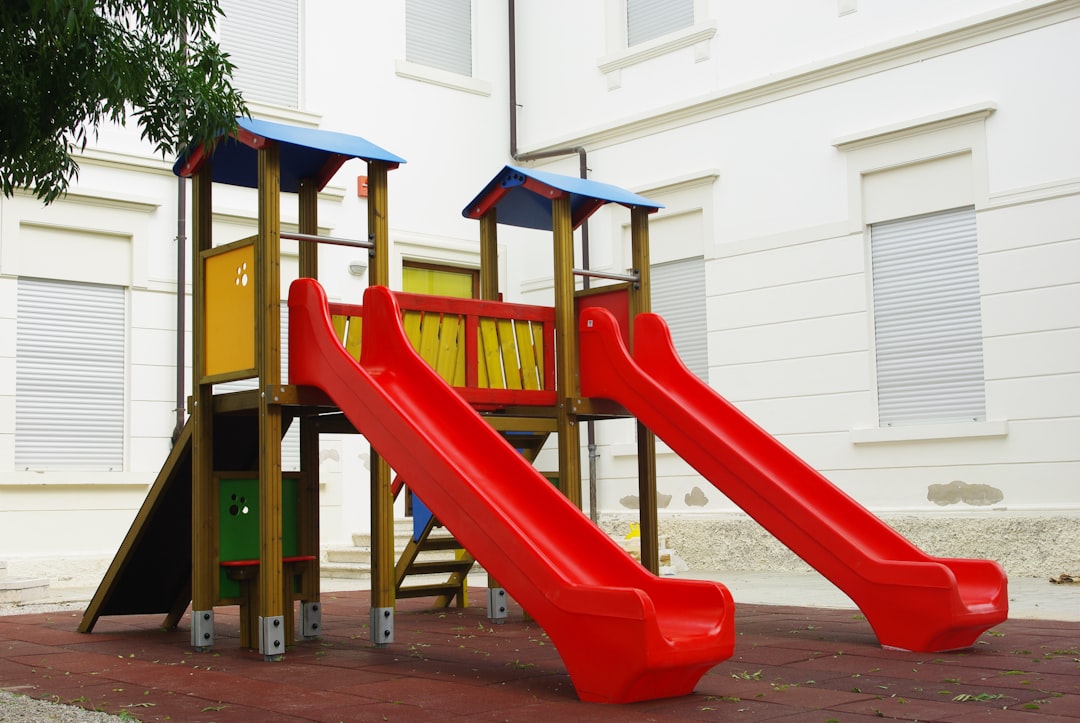
Why Ground Padding for Playgrounds Matters for Safety and Compliance
Ground padding for playgrounds is the protective surfacing installed under and around play equipment to cushion falls and prevent serious injuries. Here’s what you need to know:
Key Types of Ground Padding:
- Unitary Surfaces: Poured-in-place rubber, rubber tiles, rubber mats (seamless, permanent)
- Loose-Fill Materials: Rubber mulch, engineered wood fiber, wood chips (requires regular maintenance)
Essential Safety Requirements:
- Must meet ASTM F1292 impact attenuation standards
- Should extend at least 6 feet from equipment in all directions
- Depth varies by equipment height (typically 6-12 inches for loose-fill)
- Must achieve critical height rating matching your tallest equipment
Why It’s Critical: Falls from playground equipment cause over 200,000 emergency room visits annually. Proper ground padding reduces the risk of life-threatening head injuries by absorbing impact and keeping Head Injury Criterion (HIC) values below 1,000.
The right surfacing choice depends on your budget, maintenance capacity, accessibility needs, and local climate. Poured-in-place and rubber tiles offer durability and ADA compliance with minimal upkeep, while loose-fill options like rubber mulch provide affordability but require regular raking and replenishment.
I’m Landon Olson, and with my mechanical engineering background and MBA, I’ve spent years helping facilities transform environmental challenges into sustainable solutions through innovative ground padding for playgrounds made from recycled tires. At Replay Surfacing Inc., we’ve installed protective surfacing across North Carolina, Tennessee, and beyond, prioritizing both child safety and environmental responsibility.
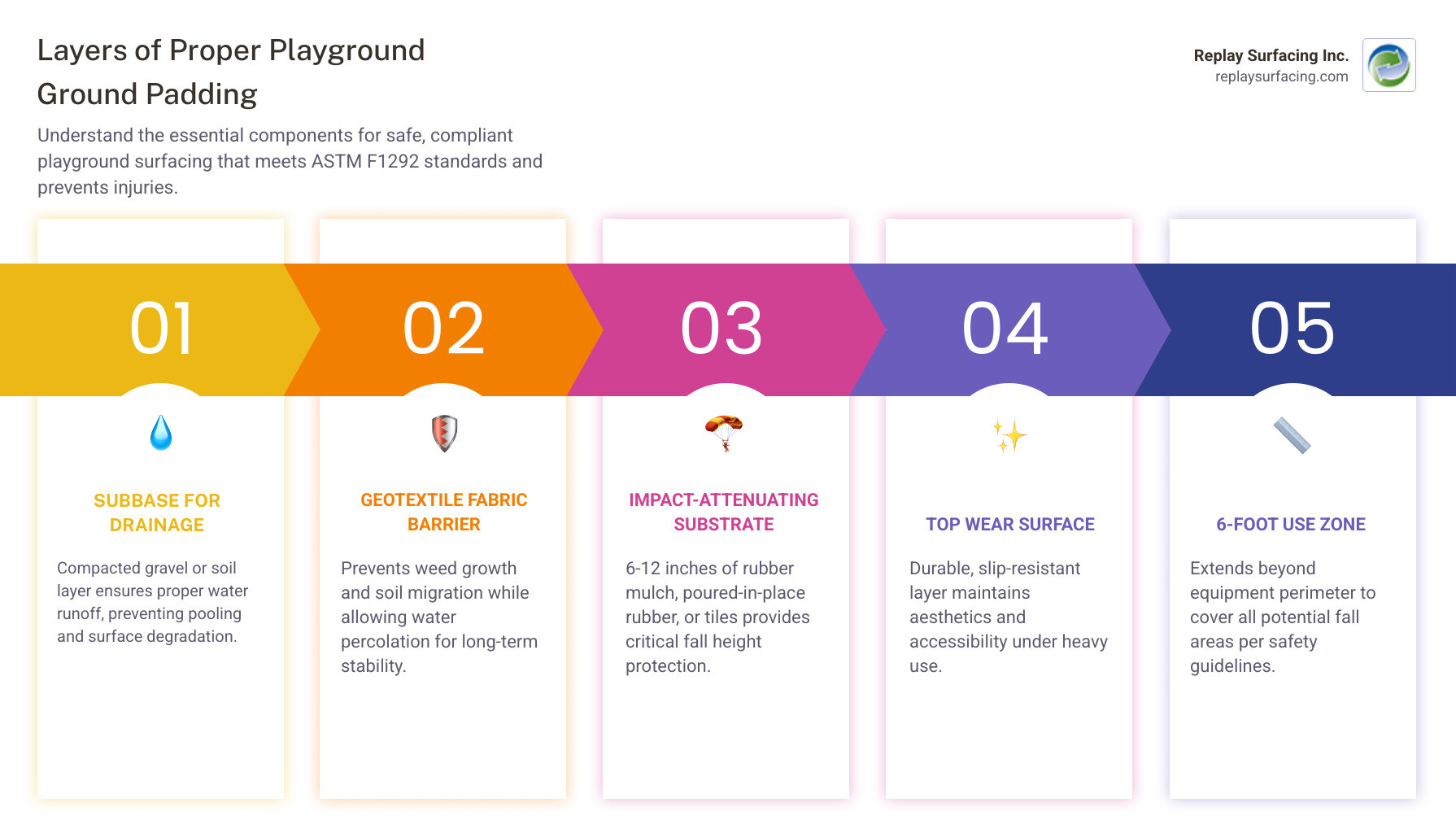
Simple ground padding for playgrounds word guide:
Essential Safety Standards for Ground Padding for Playgrounds
When we talk about ground padding for playgrounds, we aren’t just talking about making the floor look pretty. We are talking about a highly engineered safety system designed to save lives. In cities like Raleigh, Charlotte, and Nashville, playgrounds must adhere to a strict set of national standards to ensure that a “tumble” doesn’t turn into a “tragedy.”
The gold standard for our industry is ASTM F1292. This standard measures “impact attenuation”—essentially, how well the surface absorbs the energy of a falling child. When a child falls, the surface must yield enough to keep the peak deceleration under 200 G’s and the Head Injury Criteria (HIC) value under 1,000. If these numbers are exceeded, the risk of a life-threatening head injury skyrockets.
Beyond impact, we also look at CPSC Pub 325, the Public Playground Safety Handbook. This is the “bible” for playground safety, providing guidelines on everything from equipment spacing to the types of materials that are actually safe for kids. For example, did you know that grass and dirt are considered “inappropriate” surfaces by the CPSC for any equipment over 18 inches high? In our service areas from Tucson to Connecticut, we ensure every installation follows these Selecting Protective Surfacing guidelines.
Another non-negotiable is ADA compliance (Americans with Disabilities Act). In the modern playground, “play for all” is the goal. This means surfaces must meet ASTM F1951, which tests how easy it is for a wheelchair to maneuver across the padding. While engineered wood fiber is technically accessible when perfectly maintained, unitary surfaces like our poured-in-place rubber are the gold standard for true inclusivity.
Required Safety Certifications for Our Key Locations:
- IPEMA Certification: This validates that the materials have been third-party tested.
- ASTM F1292: For impact attenuation and fall protection.
- ASTM F1951: For wheelchair accessibility.
- HIC and G-max Testing: On-site testing to ensure the “as-installed” surface actually protects children.
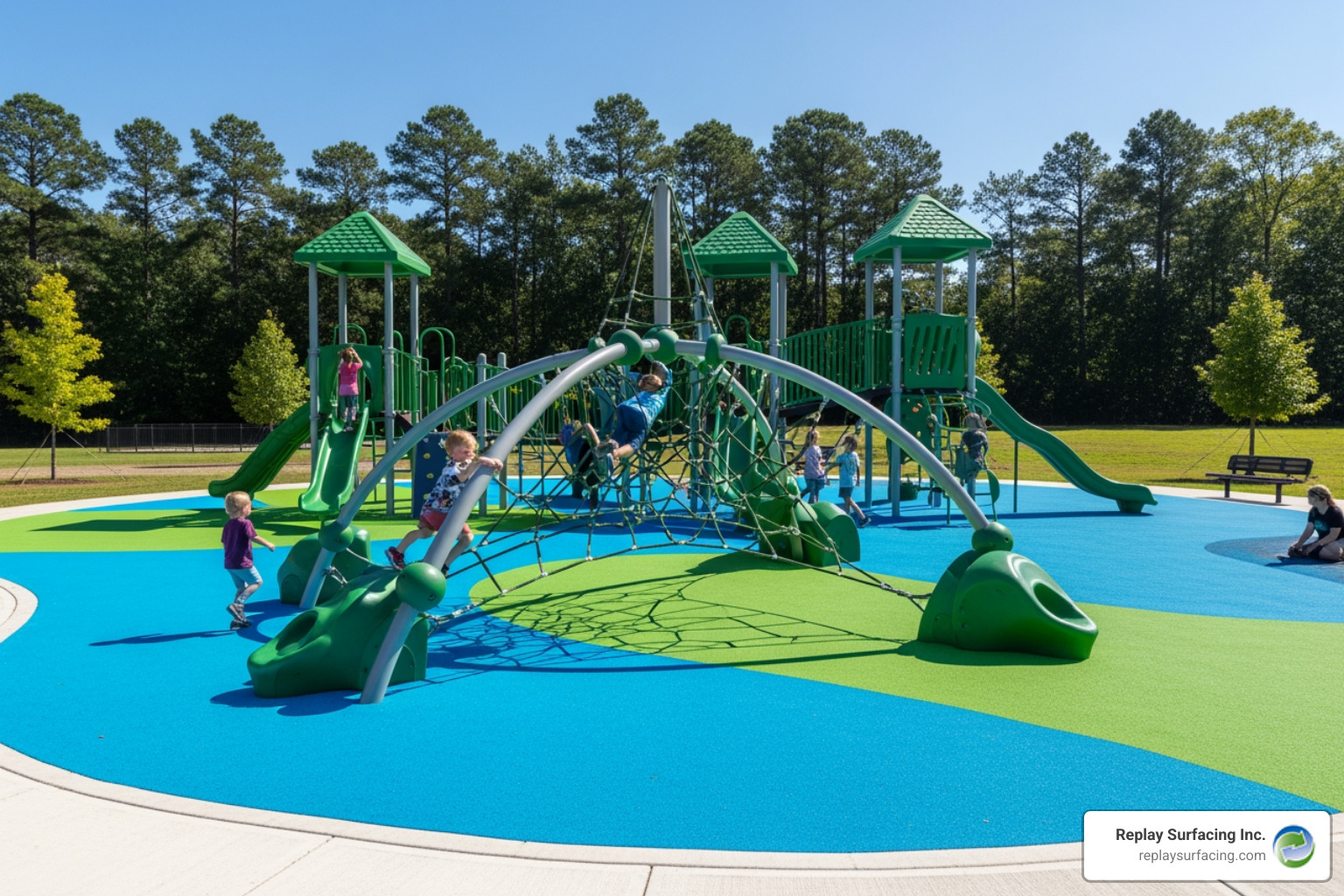
Unitary Playground Surfacing Options from Replay Surfacing Inc.
At Replay Surfacing Inc., we specialize in “unitary” surfaces. These are seamless or interlocking systems that stay exactly where we put them. Unlike loose mulch that can be kicked away, unitary ground padding for playgrounds provides consistent protection across every square inch of the play area.
| Feature | Poured-in-Place (PIP) Rubber | Rubber Safety Tiles |
|---|---|---|
| Texture | Seamless, smooth, and porous | Interlocking blocks with seams |
| Customization | Unlimited colors, logos, and shapes | Standard colors and patterns |
| Maintenance | Very low (occasional cleaning) | Low (check seams for debris) |
| Installation | Professional onsite mixing | Can be DIY or professional |
| Recycled Content | High (100% recycled SBR base) | High (30-100% recycled rubber) |
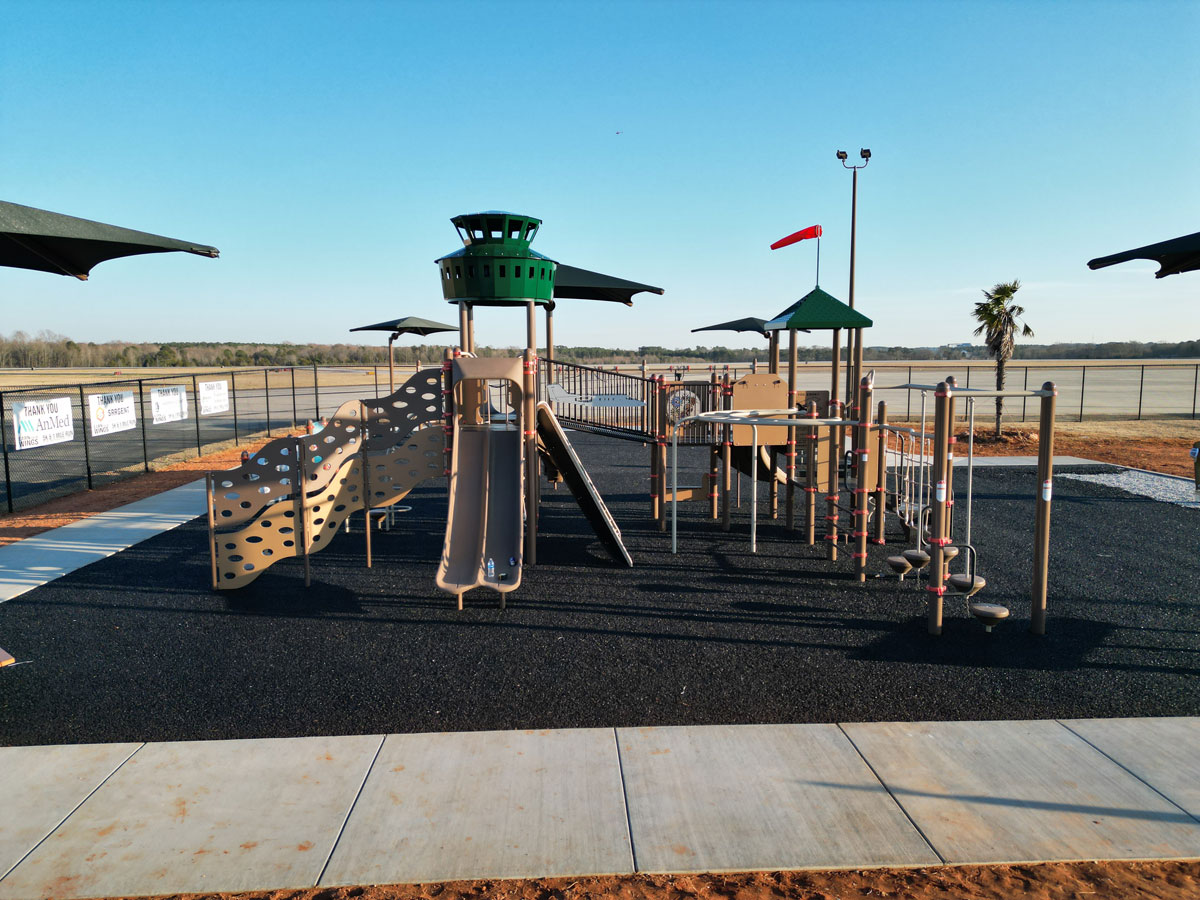
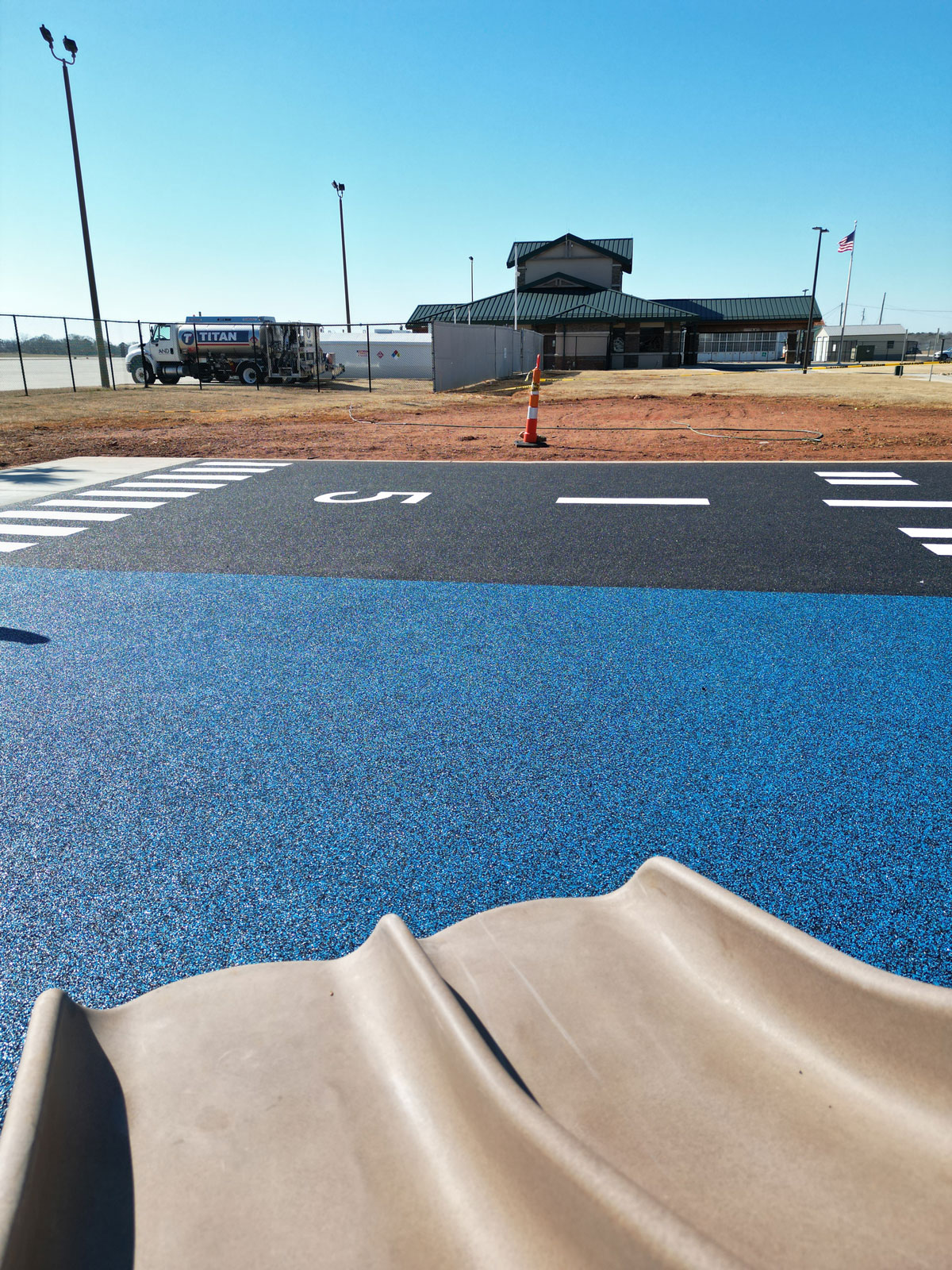
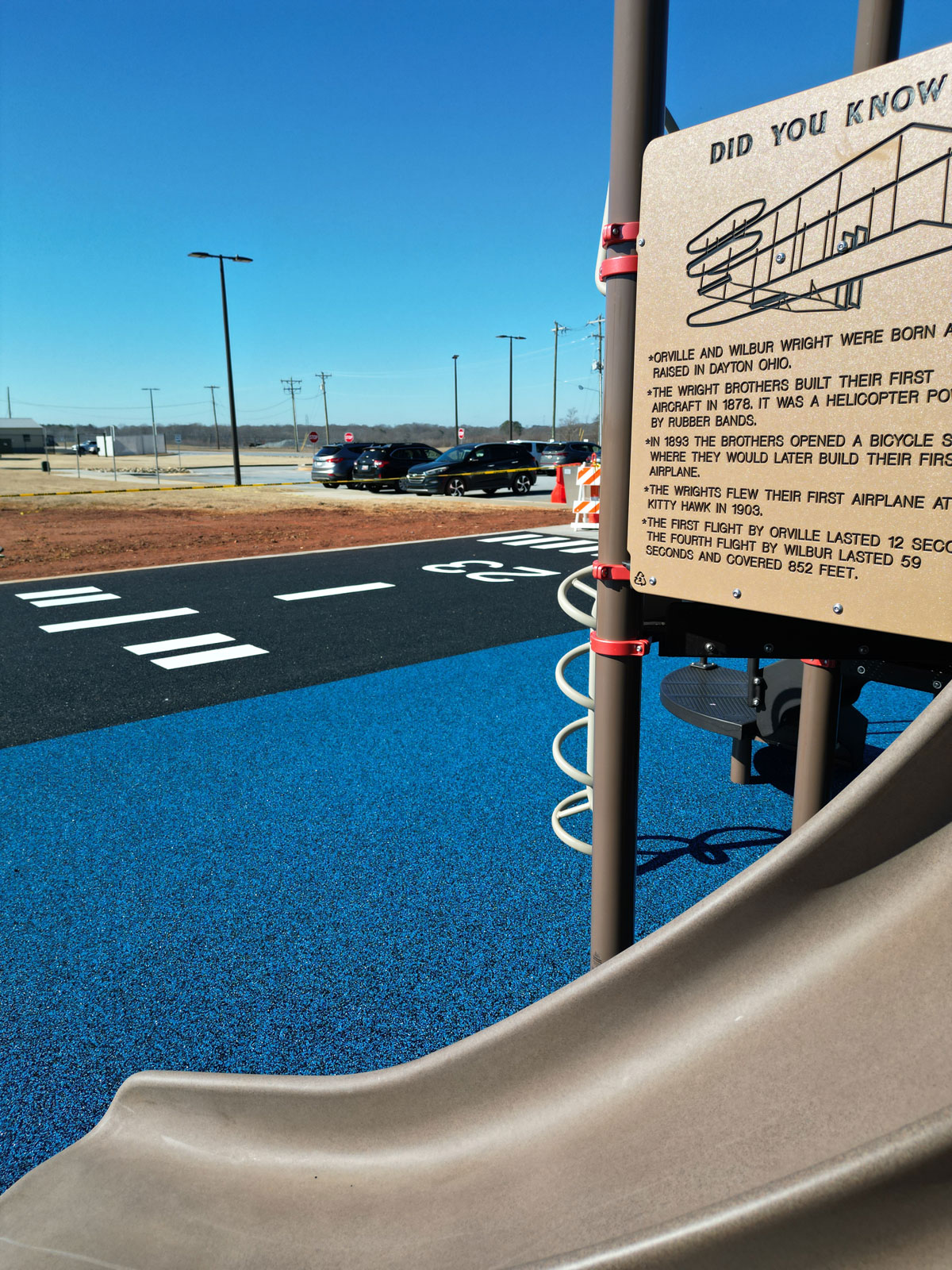
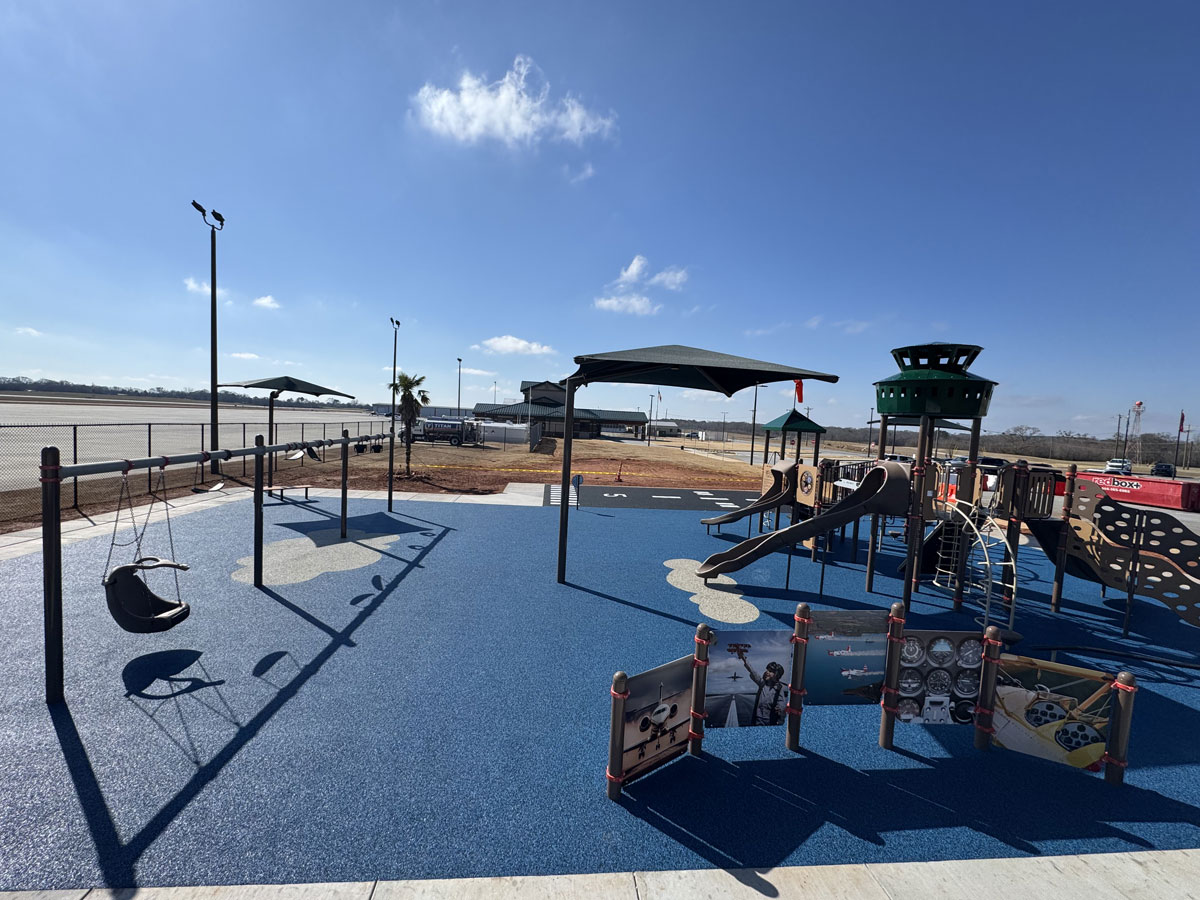
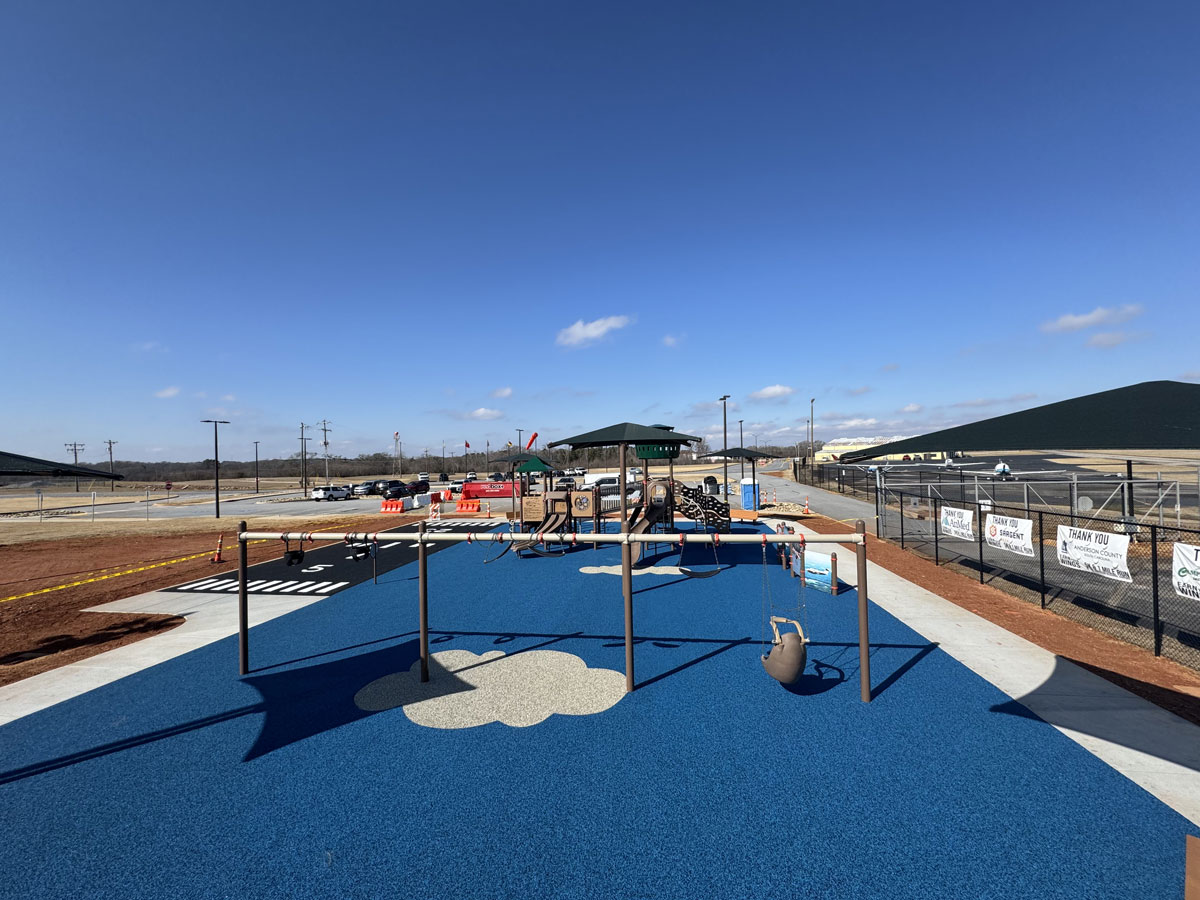
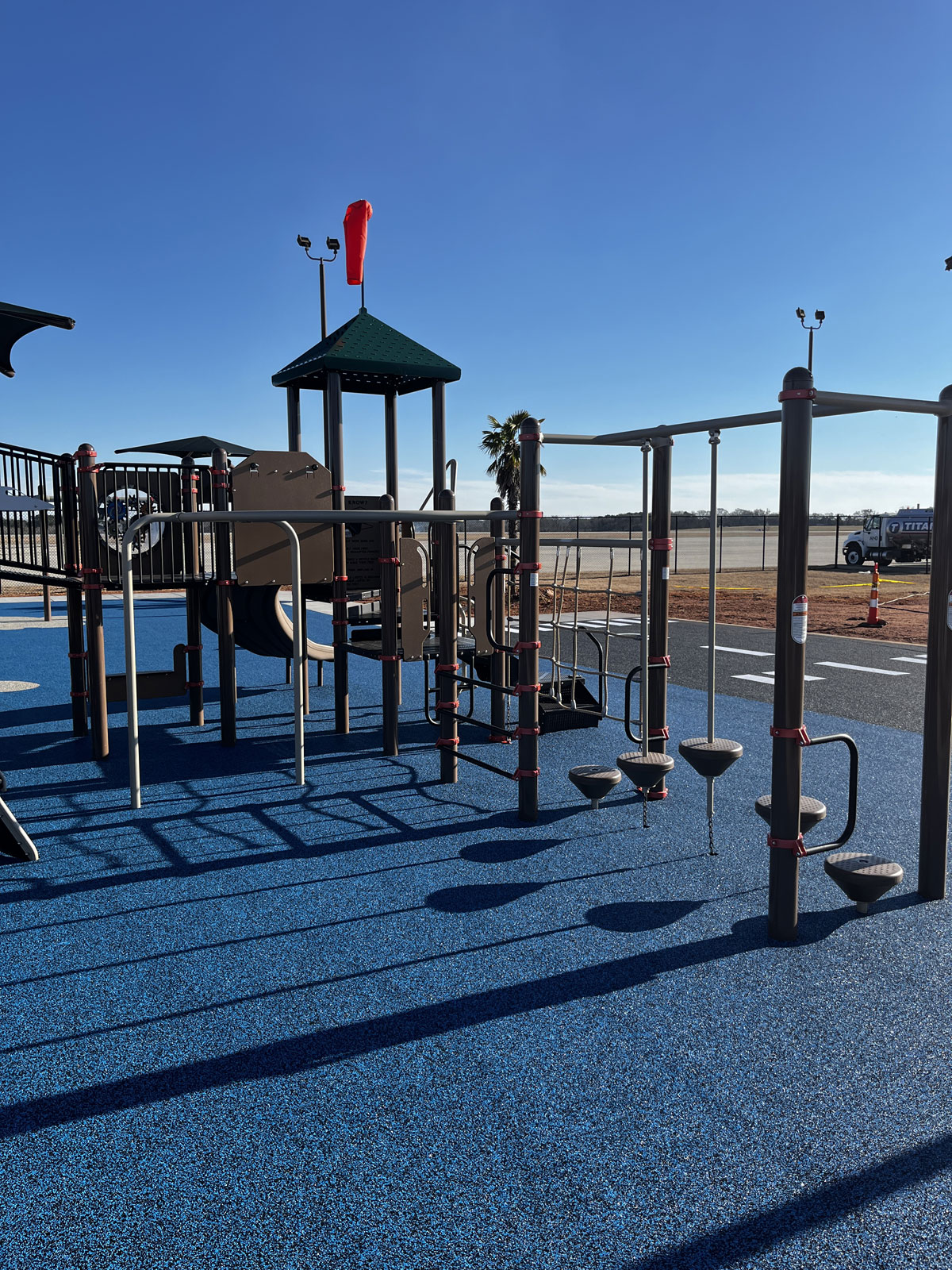
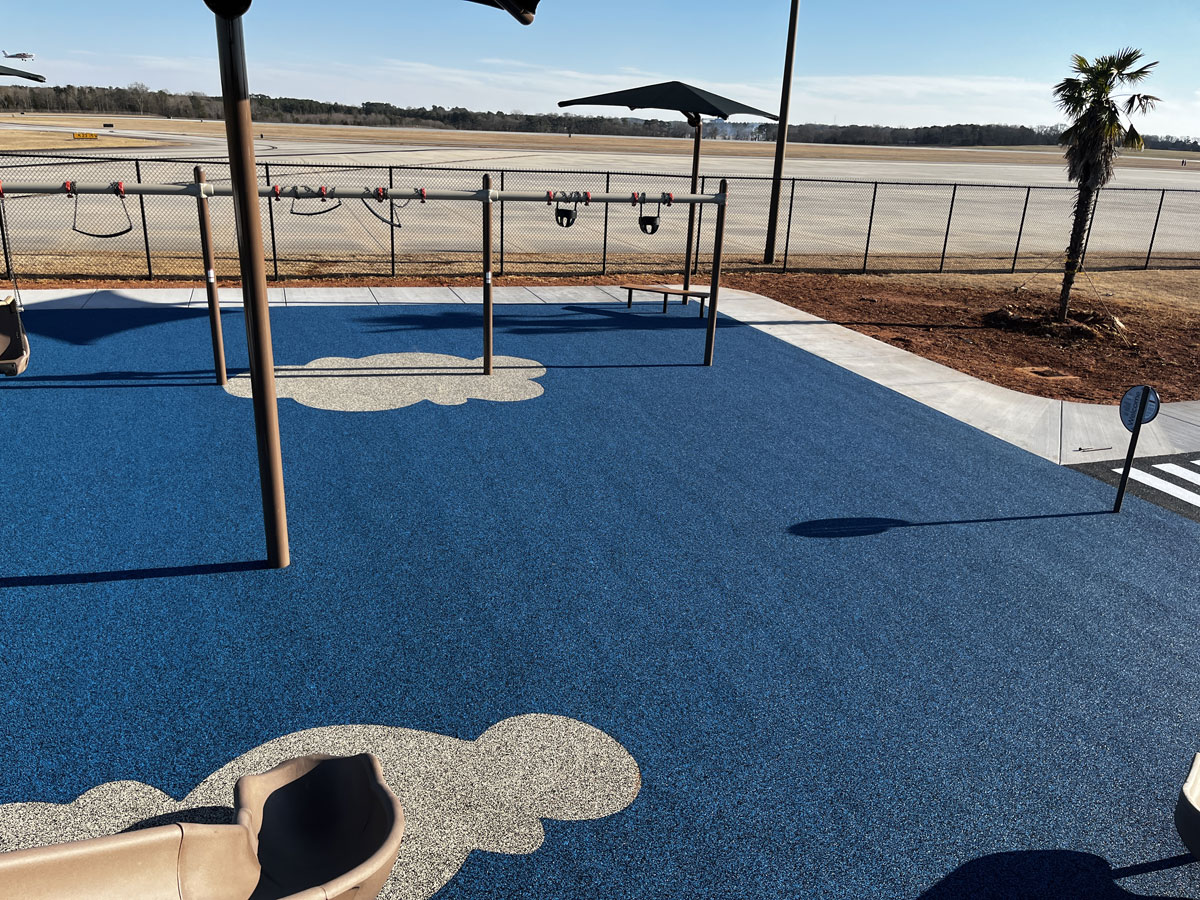
Our poured-in-place rubber is a favorite for schools and parks in Sanford, NC, and Nashville, TN. It consists of two layers: a thick “cushion” layer made of 100% recycled SBR (styrene butadiene rubber) from tires, and a colorful “wear” layer made of EPDM rubber. This system is more info about rubber flooring than just a surface; it’s a shock absorber that can be customized with school logos or fun geometric shapes.
For those looking for a slightly different aesthetic or a modular approach, our rubber tiles are a fantastic option. We’ve seen great success with these in residential and commercial settings in Sanford, NC. They offer excellent playground surface options for schools and parks and are particularly useful for smaller areas or under high-wear spots like swings and slide exits.
Choosing the Best Ground Padding for Playgrounds
Choosing the right material is a balance of safety, budget, and local flair. In a sunny spot like Tucson, AZ, we often recommend lighter-colored non-toxic playground tiles or PIP surfaces. Darker colors tend to absorb more heat, and we want to keep those little feet cool!
If you are in Raleigh or Sanford, NC, you might prioritize a surface that handles our humid summers and occasional heavy rains without becoming a muddy mess. Our unitary surfaces are porous, meaning water drains right through them, preventing puddles and allowing kids to get back to playing just 15-20 minutes after a storm.
Durability is another huge factor. Our rubber products don’t rot, don’t attract insects, and don’t break down like wood mulch. They are designed to last decades, making them a cost-effective long-term investment for any North Carolina or Tennessee community.
Calculating Fall Heights and Use Zones
How deep should ground padding for playgrounds be? The answer depends entirely on the “Critical Fall Height.” This is the maximum height a child can climb, sit, or stand on a piece of equipment. If your climbing structure is 8 feet tall, your surfacing must be rated to protect a child falling from at least 8 feet.
For loose-fill materials like rubber mulch, the rules are specific:
- Equipment up to 8 feet: Requires at least 9 inches of compressed mulch.
- Initial Fill: We recommend starting with 12 inches, as it will compress to 9 inches over time.
- Low-level play (under 4 feet): A minimum of 6 inches is required.
With our unitary fall attenuation systems, we customize the thickness of the cushion layer to match the equipment. A 2-inch thick PIP surface might protect for a 4-foot fall, while a 5-inch thick surface could handle a 10-foot fall.
Then there is the Use Zone. This is the “landing pad” around the equipment. Generally, protective surfacing must extend at least 6 feet in all directions from the equipment. For swings, the zone is even larger—extending twice the height of the top bar both in front and behind the swing seat. In Charlotte, NC, we meticulously measure these zones to ensure no child accidentally lands on a hard curb or asphalt path.
Installation, Drainage, and Maintenance Requirements
A great playground starts from the ground up—literally. You can’t just throw ground padding for playgrounds onto a patch of dirt and expect it to work. Proper subbase preparation is the secret to a long-lasting, safe surface.
In Nashville, TN, where soil can be heavy, we focus heavily on drainage. We typically start with a compacted aggregate base or concrete/asphalt. A minimum 2% slope is required for the subgrade to ensure water doesn’t pool under the rubber. If water gets trapped, it can lead to “bubbling” in PIP surfaces or foster mold in loose-fill.
Key Installation Steps:
- Site Preparation: Clearing debris and performing a percolation test to check drainage.
- Subbase: Installing compacted stone or a solid subsurface.
- Geotextile Fabric: If using mulch, this keeps the rubber from mixing with the dirt.
- Containment: Using concrete or rubber curbs to keep the padding in place.
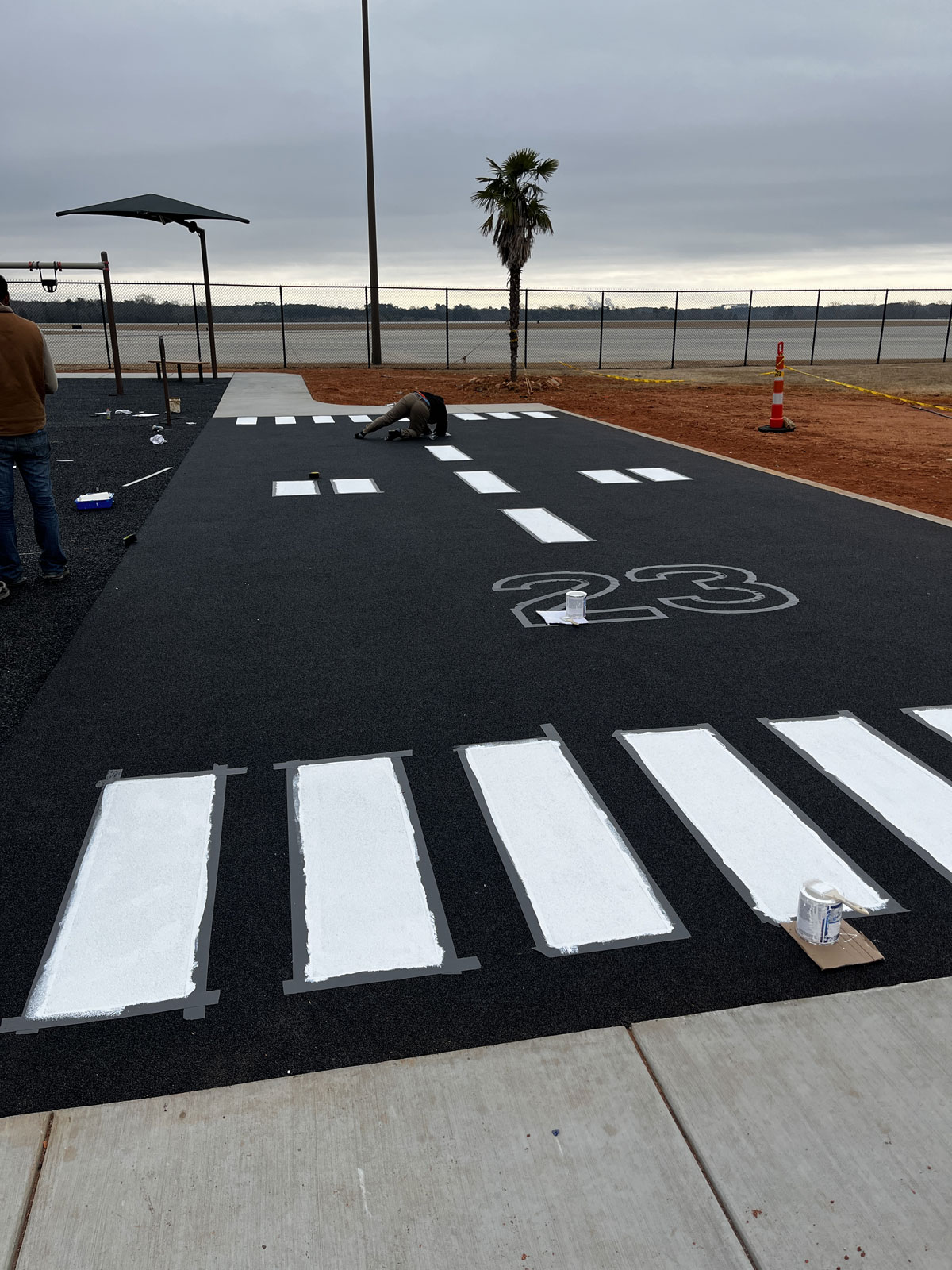
- Application: For PIP, we mechanically mix the rubber and binder on-site and hand-trowel it for a smooth finish.
For those considering a DIY approach with mulch, installing rubber mulch requires careful attention to depth markers. We recommend marking the equipment posts so you can see at a glance if the material has been displaced and needs raking.
Long-Term Maintenance of Ground Padding for Playgrounds
While our unitary surfaces are “low maintenance,” they aren’t “no maintenance.” To keep your warranty valid and your kids safe in North Carolina and Tennessee, regular inspections are a must.
For loose-fill rubber mulch, the biggest chore is raking. Kids are experts at “kicking out” mulch under swings and at the bottom of slides. This creates “potholes” where the protection is dangerously thin. Routine raking and leveling ensure that the 9-inch depth is maintained where it’s needed most.
For unitary surfaces (PIP and tiles), maintenance involves:
- Debris Removal: Keeping the surface free of rocks, glass, and sand that can act like sandpaper and wear down the rubber.
- Deep Cleaning: An occasional power wash (on a low setting) keeps the colors vibrant and the pores open for drainage.
- Seasonal Care: In our colder locations like Connecticut or Indiana, we check for any cracks caused by freeze-thaw cycles.
- Surface Inspections: We recommend a professional safety inspection once a year to check for “top-off” needs or wear patterns.
Conclusion and Frequently Asked Questions
At Replay Surfacing Inc., we believe that every tire recycled is a step toward a safer, greener future. By transforming environmental hazards into sustainable ground padding for playgrounds, we provide communities in Charlotte, Raleigh, Tucson, and beyond with surfaces that are as durable as they are beautiful. Whether you are building a new school playground in Nashville or updating a park in Beaverton, our goal is to provide “play for all” without compromising on safety or the planet.
For more information on how we can help your project, check out our playground solutions.
Is rubber ground padding safe for children?
Absolutely. Our rubber products are expertly engineered to be non-toxic and recycled rubber playground flooring is carefully purified during manufacturing. We ensure our materials are lead-free and meet all IPEMA and ASTM standards. In fact, our rubber mulch is 5x heavier than wood mulch, meaning it stays in place and won’t blow into children’s eyes on a windy day. It’s also non-organic, so it doesn’t harbor the bacteria or fungi that wood chips can.
Does playground padding attract insects or rot?
One of the best things about rubber ground padding for playgrounds is that it is completely inorganic. Unlike wood mulch, which provides a nutrient-rich home for termites, ants, and other pests, rubber offers them nothing to eat. It also doesn’t absorb moisture, which means it won’t rot or decompose even after years of exposure to the humid climates of Lake Charles, Louisiana, or the rainy seasons in Beaverton, Oregon.
How often should I replenish loose-fill padding?
If you choose loose-fill rubber mulch, you’ll need to monitor it more closely than a unitary surface. While rubber doesn’t decompose, it can be displaced by heavy foot traffic or “kicked out” of high-impact areas. We recommend checking your depth markers monthly. If you see the 9-inch depth falling below the line, it’s time to rake it back into place or top it off. Most facilities find they only need a significant “top-off” every few years, compared to wood mulch which usually needs it annually.
What about accessibility for children with disabilities?
This is a core value for us. To be truly ADA-compliant, a surface must allow a wheelchair to move across it with minimal effort. While engineered wood fiber is technically compliant when freshly raked and compacted, it often fails the test in the real world. Our poured-in-place rubber and rubber tiles are the most accessible options available, providing a firm, stable, and slip-resistant surface that allows every child to join in the fun.